Why the Demand for Professional Plumbers Continues to Grow
Plumbing systems are essential to the comfort, safety, and functionality of residential and commercial buildings. From delivering clean water to removing wastewater, these systems support everyday activities that often go unnoticed until something stops working. As buildings age, construction projects expand, and technology advances, the need for qualified plumbing professionals continues to grow.
Several factors influence this demand, including aging infrastructure, changing construction practices, and increased awareness of water conservation. Homeowners and businesses also recognize the importance of hiring a reliable plumbing company to address repairs, installations, and maintenance needs. Understanding these developments helps explain why skilled plumbers remain important to communities and the broader economy.
Maintaining Aging Plumbing Infrastructure
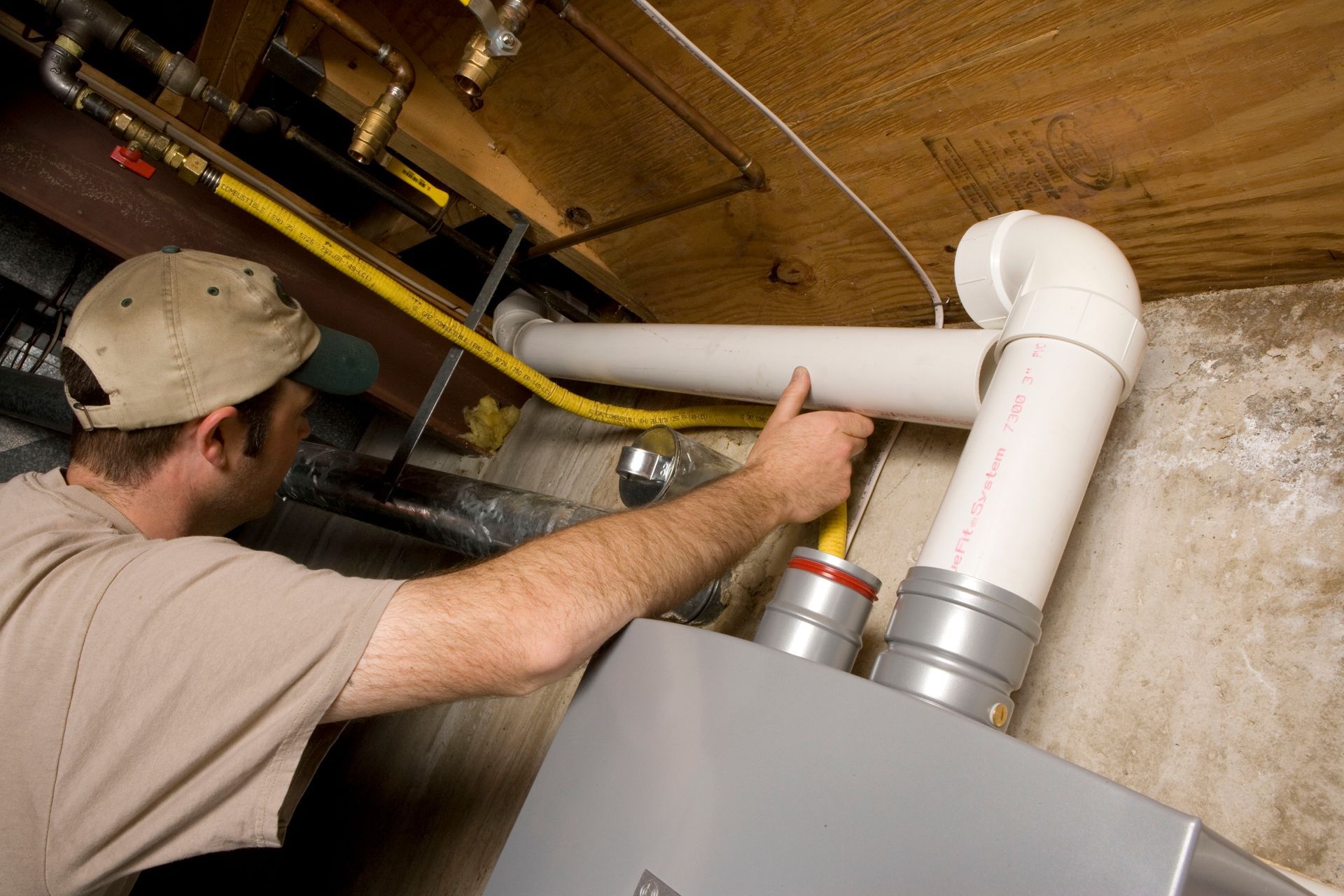
Aging infrastructure is one of the primary reasons professional plumbing services remain in demand. Many older homes and commercial buildings contain pipes, fixtures, and drainage systems that have experienced decades of use. Over time, corrosion, mineral buildup, deteriorating connections, and other forms of wear can affect system performance.
Outdated plumbing may contribute to leaks, reduced water pressure, recurring clogs, and inefficient water distribution. These problems can become more expensive to address when property owners postpone necessary repairs. Hiring a plumbing company for inspections and maintenance can help identify potential issues before they develop into more extensive damage.
Municipal infrastructure also requires continued attention. Aging water distribution networks and sewer systems may need repairs, replacements, or modernization to maintain reliable service. Although public utility projects often involve specialized contractors, they reflect the broader importance of plumbing expertise.
Preventive maintenance remains particularly valuable for older properties. Routine inspections, timely fixture replacements, and appropriate pipe repairs can help extend the useful life of existing systems. As buildings continue to age, property owners will need qualified professionals who understand both traditional plumbing materials and modern replacement methods.
Meeting Construction and Development Needs
Residential and commercial construction creates ongoing opportunities for plumbing professionals. New homes, apartment buildings, offices, and public facilities require properly designed plumbing systems that meet applicable building codes. These projects depend on skilled workers who can install water supply lines, drainage systems, fixtures, and other essential components.
Urban development adds complexity to these requirements. Multifamily housing and mixed-use properties often contain interconnected plumbing systems serving numerous occupants. Installing these systems requires careful planning, coordination with other construction trades, and attention to building specifications.
A plumbing company involved in new construction may coordinate with general contractors, engineers, and other professionals to ensure that plumbing installations fit the building's overall design. Proper coordination helps reduce installation conflicts and supports efficient project completion.
Renovation projects create additional demand. Property owners frequently update bathrooms, kitchens, and commercial spaces to improve functionality or accommodate changing needs. Such improvements may require relocating water lines, replacing outdated fixtures, or modifying existing drainage systems.
Even when construction activity fluctuates, the need to maintain, renovate, and adapt existing buildings continues to provide work for qualified plumbers.
Adopting Modern Plumbing Technologies
Technological advancements are changing how plumbing systems operate and how professionals maintain them. Water-efficient fixtures, improved pipe materials, electronic leak detectors, and advanced water-heating equipment offer property owners additional options for managing water consumption and system performance.
For example, low-flow faucets and toilets can reduce water use without necessarily sacrificing functionality. Leak detection devices may also help identify unusual water activity before a minor problem causes substantial property damage.
Installing these products often requires familiarity with manufacturer specifications and the existing plumbing system. A plumbing company that stays informed about emerging technologies can help property owners evaluate appropriate equipment and understand installation requirements.
Smart plumbing technology is another developing area. Connected sensors, automatic shutoff valves, and water-monitoring systems can provide information about usage patterns and potential leaks. However, these devices must be selected and installed correctly to operate as intended.
Modern plumbing professionals must also understand how newer equipment interacts with older infrastructure. Continuing education, manufacturer training, and practical experience help workers develop the knowledge needed to service a wider variety of systems.
As technology becomes more integrated into residential and commercial properties, specialized plumbing expertise will remain important.
Protecting Health and Water Quality
Plumbing contributes directly to public health by supporting safe water delivery and effective wastewater removal. Properly functioning systems help reduce exposure to sanitation hazards while providing the water necessary for cooking, cleaning, bathing, and other daily activities.
Problems such as cross-connections, sewage backups, and deteriorating water lines can create potential health concerns. Addressing these conditions requires an understanding of plumbing design, sanitation principles, and applicable safety requirements.
A qualified plumbing company can help property owners recognize concerns that warrant professional attention. Depending on the issue, appropriate work may involve repairing damaged connections, addressing drainage problems, or replacing deteriorated plumbing components.
Building codes and plumbing standards also influence professional responsibilities. Requirements for backflow prevention, water supply materials, drainage installations, and fixture connections are intended to protect occupants and support reliable system operation.
Professional plumbers must understand the regulations relevant to their work and follow appropriate installation procedures. Requirements vary by jurisdiction, making local knowledge especially important.
Property owners increasingly benefit from understanding the relationship between plumbing maintenance and building safety. Regular inspections and prompt attention to warning signs can reduce avoidable disruptions and help maintain healthier indoor environments.
Responding to Changing Economic Priorities
Economic conditions influence how homeowners and businesses approach plumbing projects. During periods of increased construction and remodeling activity, demand for installation services may rise. When budgets become tighter, property owners may prioritize essential repairs and maintenance over optional upgrades.
Regardless of broader economic conditions, plumbing problems frequently require attention. A leaking supply line, malfunctioning toilet, or blocked drain can interfere with everyday activities and, in some circumstances, create property damage.
Working with an established plumbing company can help property owners evaluate repair options and understand which issues require immediate attention. Professional assessments may also reveal when replacing an aging component is more practical than repeatedly repairing it.
Water efficiency is another financial consideration. Property owners may choose efficient fixtures or equipment to reduce water consumption and potentially lower utility expenses. Actual savings depend on existing equipment, usage patterns, and installation conditions.
Insurance coverage can also affect repair decisions, although policies differ considerably. Some policies may cover certain types of sudden water damage without covering the underlying plumbing repair. Property owners should review their coverage rather than assume that every plumbing expense qualifies for reimbursement.
These considerations reinforce the importance of informed maintenance and repair decisions.
Preparing the Next Generation of Plumbers
The plumbing industry must maintain a skilled workforce to address both existing infrastructure needs and future development. Experienced professionals are essential for complicated installations, system diagnostics, repairs, and compliance with applicable plumbing requirements.
According to the U.S. Bureau of Labor Statistics, employment of plumbers, pipefitters, and steamfitters is projected to grow 4% from 2024 to 2034, with about 44,000 job openings each year. This projection reflects continued employment opportunities across these related skilled trades.
Workforce preparation involves more than learning basic installation techniques. Plumbing professionals need practical experience interpreting plans, identifying system problems, selecting appropriate materials, and following established safety procedures.
Apprenticeships, technical education, and supervised fieldwork provide opportunities to develop these skills. Licensing requirements vary by jurisdiction, and some workers pursue additional training in specialized equipment or installation methods.
The profession also offers potential career paths beyond direct installation work. Experienced plumbers may move into supervision, project management, training, or business ownership.
As technology and building requirements evolve, continued professional development will help workers remain prepared for changing customer needs. Encouraging new workers to enter the trade is essential to maintaining a dependable plumbing workforce.
Meeting Future Plumbing Needs
The demand for professional plumbers is influenced by several interconnected factors. Aging infrastructure requires maintenance and replacement, new construction creates installation opportunities, and advances in technology introduce additional equipment and servicing requirements. Public health considerations and changing economic priorities also reinforce the value of qualified plumbing professionals.
For homeowners and businesses evaluating plumbing repairs, maintenance, or improvements, selecting a dependable
plumbing company remains an important decision. A. Mann Plumbing LTD is one option property owners can consider when seeking professional plumbing assistance.
As communities continue to develop and buildings require ongoing attention, skilled plumbers will remain essential to maintaining reliable water and drainage systems. Their expertise supports property functionality, responsible water use, and the long-term performance of residential and commercial infrastructure.





Share On: